

Bernstein analysts have reaffirmed a long-term bullish stance on Bitcoin regardless of the latest market dip. The present bear marketplace for Bitcoin doesn’t have the identical structural harm that occurred throughout previous cycles, the agency mentioned.
Analysts characterised the decline as pushed extra by confidence than by a breakdown in fundamentals. They mentioned the broader development of BTC adoption stays intact and can finally propel costs increased.
Why Bernstein Says This Bitcoin Bear Market Is Different
In a observe to shoppers, the Bernstein crew, led by Gautam Chhugani, mentioned that the present sell-off is the worst bear market Bitcoin has suffered thus far. The analysts mentioned the weak point didn’t change their view of the asset’s underlying funding case. The agency reiterated its Bitcoin price goal at $150,000 by the shut of 2026.
Analyst Milk Road defined in an X post that Bernstein in contrast the continued Bitcoin bear market to earlier sell-offs that had been fueled by giant failures. Those cycles are characterised by incidents like Mt. Gox, Terra-Luna, FTX, and Three Arrows Capital. No such systemic implosion or hidden leverage has developed on this part, the agency mentioned.
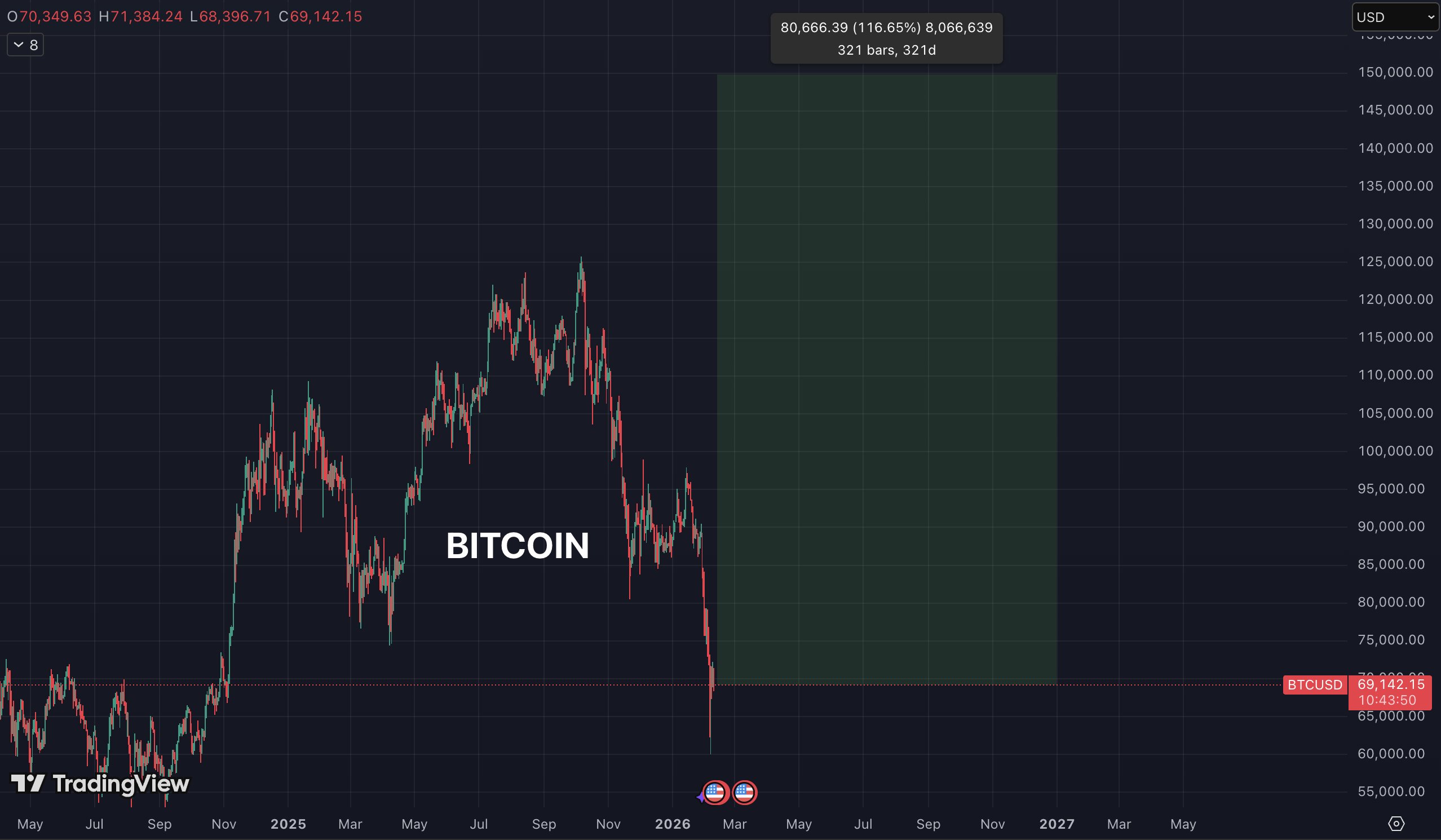
Analysts mentioned the latest value weak point is because of a insecurity in costs slightly than operational stress. They level out that the underlying community for BTC has remained up and working with none downside. No widespread insolvencies or liquidity seizures have occurred, which makes this part qualitatively totally different from earlier bear markets.
Bernstein additionally pointed to a extra sturdy institutional alignment as one of many key contrasts within the present cycle. The firm cited the approvals and traction of U.S. spot Bitcoin ETFs.
ETF infrastructure already exists and can soak up capital as liquidity improves, the analysts mentioned. They mentioned the system was functioning as designed however being held again by extraordinarily tight monetary situations. Bernstein expects ETF inflows to take off as soon as liquidity loosens.
Earlier, CoinGape reported on combined emotions in the direction of the destiny of Bitcoin. Crypto investor Haseeb Qureshi forecasted that BTC would possibly hit a brand new all-time excessive at $150,000 by year-end. The view is consistent with Bernstein’s long-term purpose. Seasoned dealer Peter Brandt is much less optimistic and mentioned BTC would possibly expertise downward stress till 2029.
How Liquidity, AI, and Macro Forces Shape BTC Outlook
However, referring to the underperformance of Bitcoin versus gold, the agency mentioned that BTC remains to be buying and selling like a liquidity-sensitive threat asset. It has not graduated into full safe-haven standing. Higher charges and tight cash got here as a boon for belongings like commodities and equities, which flipped increased.
Bernstein additionally dismissed the notion that the worth of BTC is waning in a synthetic intelligence-driven economic system. Blockchains and programmable wallets are a part of the broader motion on how folks see autonomous digital techniques, the analysts mentioned. They mentioned Bitcoin was nonetheless well-suited for world, machine-readable monetary exercise.
Regarding quantum computing dangers, Bernstein advised that long-term cryptographic planning can be required. But the agency says that Bitcoin just isn’t unusually weak. And every of those mission-critical digital techniques has the identical challenges, and they’re going to converge in all places.
The analysts mentioned firms with giant BTC holdings have structured liabilities to assist a chronic downturn. As CoinGape reported earlier, Strategy CEO Phong Le acknowledged that the corporate’s stability sheet would solely have to be restructured if Bitcoin’s value dropped to $8,000 and remained there for 5 years. In addition, miner capitulation threat was deemed to be decrease on account of diversification into AI-linked vitality demand.
However, in an X put up, the analyst Mike Alfred advised that BTC would possibly even dip simply sufficient to steer weaker arms that it has resumed what they imagine is its typical four-year cycle. Macro situations are additionally considerably totally different from historic cycles, he added. The setup, which Alfred referred to as a possible “slingshot” transfer, was one which traders ought to observe.